


Chalk Country on Your Doorstep
The Ridgeway runs for roughly 87 miles from Overton Hill in Wiltshire to Ivinghoe Beacon in Buckinghamshire, and the Oxfordshire stretch — broadly between Goring and the Vale of White Horse — is one of the best places in southern England to watch wildlife without needing a ticket, a car park or a crowd. You are walking a prehistoric trackway along the top of the chalk, with the steep scarp falling away to the north and the gentler dip slope easing south. That geology is the whole story.
Chalk was laid down as seabed around 100 million years ago, and the thin, free-draining soils it left behind support a plant community that has become genuinely rare. Centuries of sheep grazing kept the turf short and open, which means low-growing herbs, an abundance of invertebrates, and the birds and butterflies that depend on them. The result is a ridge that feels airy and exposed, and rewards slow, quiet walking rather than a brisk traverse.
Birds You Can Reasonably Expect
The soundtrack of a summer walk is the skylark. Males rise almost vertically, singing continuously for minutes on end, then parachute back to the turf. Listen for the song before you look for the bird, then track the fluttering speck against the sky. Because they nest on the ground, stick to the main path between March and July — a dog off the lead across a nesting field can do real damage in seconds.
Red kites are now firmly part of the Oxfordshire skyline, and the Ridgeway is as good a place as any to watch them. Look for the forked tail and the angled, twisting wings; they often drift low over the escarpment on a thermal, scanning the fields below. You will also pick up buzzards mewing overhead, kestrels hovering over the scarp edge, and the occasional sparrowhawk dashing along a hedgeline.
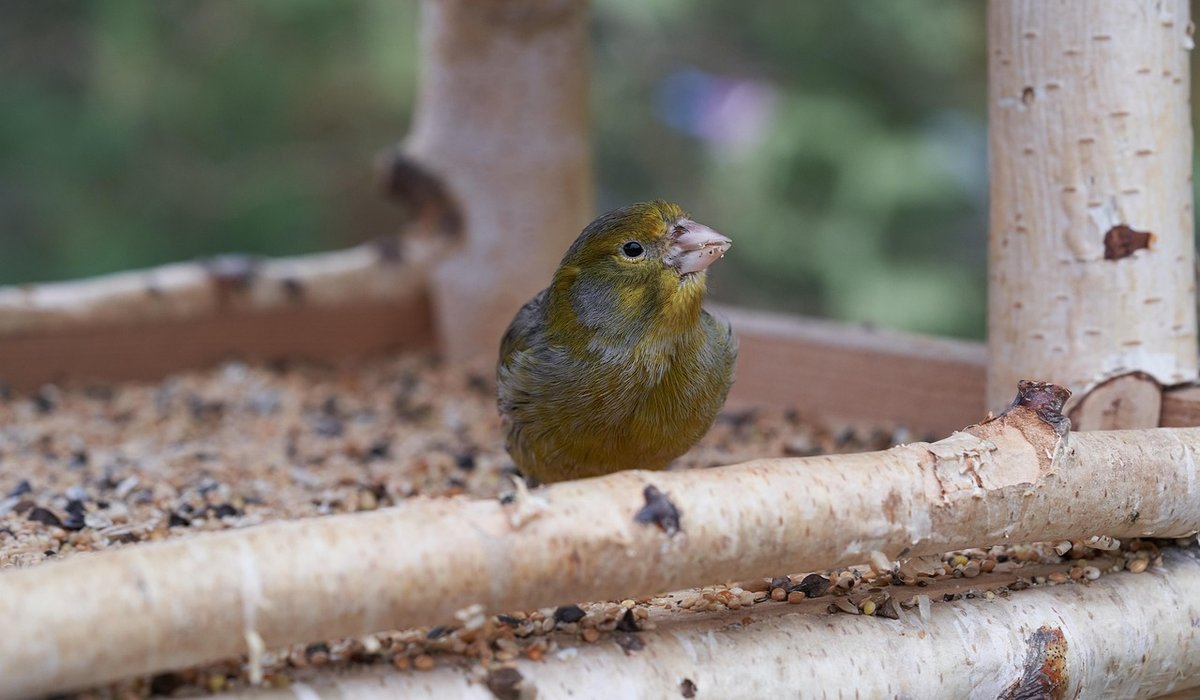
On the downland itself, listen for the jangling-keys song of the corn bunting from a fence post, and the yellowhammer's famous "little bit of bread and no cheese". Linnet flocks gather in winter, meadow pipits flush from the turf ahead of you, and from October you may see fieldfares and redwings arriving to strip the hawthorn hedges. Keep an eye out for stonechats perched on scrub in the colder months.
Butterflies, Orchids and the Smaller Things
Chalk downland is butterfly country, and the Ridgeway's south-facing slopes warm up early. The chalkhill blue is the signature species, on the wing from July into September, sometimes in loose colonies where the horseshoe vetch grows. Adonis blue, a more demanding relative, favours the shortest, most recently grazed turf. Marbled white is easy to spot — black and white chequering, flopping flight — while dark green fritillary and small blue reward a little patience.
Look down as well as up. The turf holds common rock-rose, wild thyme, clustered bellflower and salad burnet, and in early summer you can find bee orchids and fragrant orchids on the less trampled banks. Cinnabar moth caterpillars stripe the ragwort, and if you stand still on a warm afternoon the air above the thyme fills with solitary bees and hoverflies.
Two cautions worth knowing: adders do bask on sunny banks, though they will move off long before you reach them, and ticks are present in longer grass. Trousers tucked into socks in high summer are not paranoia, they are good practice.
Practical Kit for the Ridge
This is exposed country with little shade and no reliable water, so treat it accordingly.
- Water: carry more than you think you need — at least a litre per person for a half-day, and more in July and August. There are few taps and fewer pubs directly on the ridge.
- Binoculars: 8x42 or 10x42 are ideal. Anything much heavier becomes a burden on a long walk.
- Footwear: the chalk gets greasy after rain and the path is rutted by horses and vehicles. Sturdy boots with ankle support are worth the weight.
- Layers and windproof: the ridge is noticeably windier and cooler than the villages below. A light shell earns its place even in June.
- Sun protection: hat, sunscreen and sunglasses. The glare off chalk paths is genuinely tiring.
- A map and a charged phone: signal is patchy in the dips, and some sections have no obvious alternative route back.
Timing Your Visit
Dawn is the richest hour: the full chorus, low light, and mammals still moving. If you would rather not start at four in the morning, the last two hours before dusk run it close, with owls calling and kites drifting to roost. Midday in high summer is for butterflies and raptors on thermals rather than songbirds.
Late April to June brings the peak of birdsong and the first orchids. July and August belong to the blues and fritillaries. September and October give you visible migration, berries and quietly spectacular light. Even January has its appeal — clear views, red kites over frosted fields, and the ridge entirely to yourself.
Take your time, keep your distance from grazing animals, and let the walking be the point. The Ridgeway does not give up its best sightings to people in a hurry.


Leave a reply