


Why the right pair matters more than the priciest pair
Stand on the path at Otmoor on a frosty February morning and you will see the problem immediately. A bittern lifts out of the reedbed, three hundred yards away, and everyone in the hide raises their binoculars at once. The birdwatchers who keep watching are not necessarily the ones who spent the most money. They are the ones whose binoculars are comfortable, quick to raise and easy to hold steady in the cold.
Binoculars are the single most personal piece of kit you will buy. A model that suits a six-foot birdwatcher with large hands may feel clumsy and top-heavy to someone smaller. A pair that feels wonderful in a warm shop may fog up the moment you step into a damp hide at Farmoor Reservoir. The specification matters, but comfort matters just as much, and comfort is the one thing no review can measure for you.
Magnification: the first number
Binoculars are described by two figures, such as 8x42. The first is magnification: 8x makes the bird appear eight times closer. The second is the diameter of the front lens in millimetres.
- 7x or 8x is the classic beginner's choice. The image is bright, steady and wide, so you can find a bird in the bushes before it flits away. This matters more than you would think.
- 10x gives extra reach for waders on the far side of a lagoon or gulls on a reservoir, but the image shakes more and the field of view is narrower. It is harder to hold steady after a long walk.
- 12x and above is rarely a good idea for hand-held use. Most people cannot hold them still enough without a tripod, and the view becomes a jittery, frustrating blur.
For most beginners, 8x42 is the sweet spot, with 8x32 as a lighter option and 10x42 for those who mainly watch open water and distant fields.
Lens size, light and the exit pupil
The second number tells you how much light the binoculars gather. Divide the lens size by the magnification and you get the exit pupil, the width of the beam of light reaching your eye. An 8x42 gives roughly 5.2mm; an 8x32 gives 4mm; a 10x25 compact gives only 2.5mm.
A larger exit pupil is more forgiving. It means a brighter image in the gloom of dusk, when owls and harriers are most active, and it makes it easier to line your eyes up with the eyepieces. That is why 42mm lenses are so popular in Britain, where a grey afternoon can turn into an early twilight without warning.
Bigger is not automatically better, though. A 50mm lens adds weight and bulk for a modest gain in brightness, and modern lens coatings mean a good 32mm pair can outperform an old, cheap 50mm one. If you wear glasses, look for eye relief of at least 15mm and twist-up eyecups, so you can keep your spectacles on and still see the full field of view.
Field of view, close focus and the details that matter daily
Field of view is usually quoted as metres visible at 1,000 metres. At 8x, anything around 130 metres or more is generous and makes finding small, restless birds far easier. Narrow fields of view are the main reason beginners lose sight of a warbler in a hedge and never find it again.
Other practical points worth checking:
- Close focus. Under two metres is ideal if you also enjoy butterflies, dragonflies and flowers — a real bonus in Oxfordshire's meadows and woodland rides.
- Waterproofing and nitrogen purging. Essential. British weather guarantees rain, and internal fogging will ruin a day's birding.
- A smooth, well-placed focus wheel. You should be able to turn it with one finger while wearing gloves.
- Dioptre adjustment to correct any difference between your two eyes, so both barrels focus sharply together.
Weight and balance: what the specification cannot tell you
A 42mm pair typically weighs between 600g and 800g. That does not sound like much until you have carried it around Wytham Woods for four hours. Weight is only half the story, though. Balance matters more. Binoculars that sit naturally in your hands and rest their weight on the heel of your palm will feel far lighter than a heavier pair that pulls forward.
Consider a padded neck strap or a harness if you plan long walks, and try raising the binoculars to your eyes repeatedly in the shop. A quick, instinctive raise is what lets you catch a kingfisher before it vanishes downstream. If you fumble, the binoculars are wrong for you, whatever the label says.
Try before you buy
Never order your first pair unseen. Reserve visitor centres around the county often keep a selection to handle, and local bird club meetings and optics days are excellent places to compare several models side by side on real birds. Shops that let you step outside are worth travelling for.
When you do try a pair, do it properly. Test them at dusk, not under shop lighting. Wear the hat and glasses you would normally wear in the field. Check the view through the whole frame, not just the centre, and look for any blurring or colour fringing at the edges. Ask about warranty length and whether the manufacturer repairs rather than replaces.
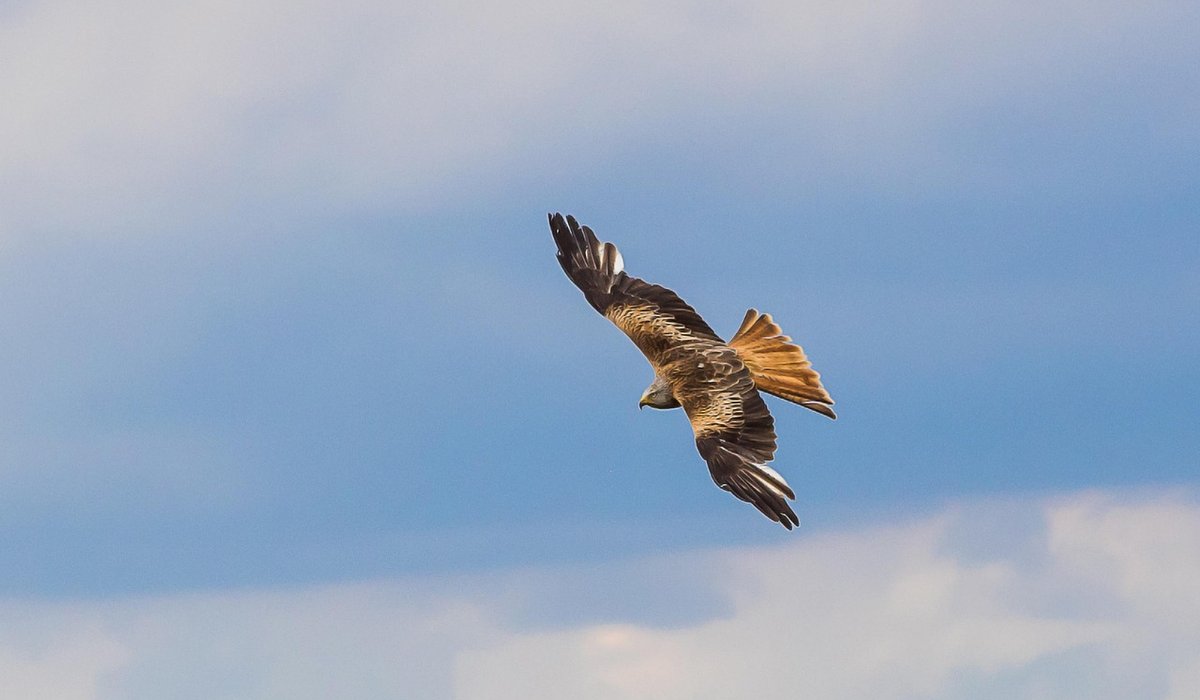
Spend what you can afford, buy the best pair that feels right in your hands, and keep the receipt. Good binoculars last decades. Choose well at the start, and the reward is a lifetime of crisp, steady views — from the starling murmurations over Otmoor to a red kite drifting over the Chilterns on a bright spring afternoon.


Leave a reply