


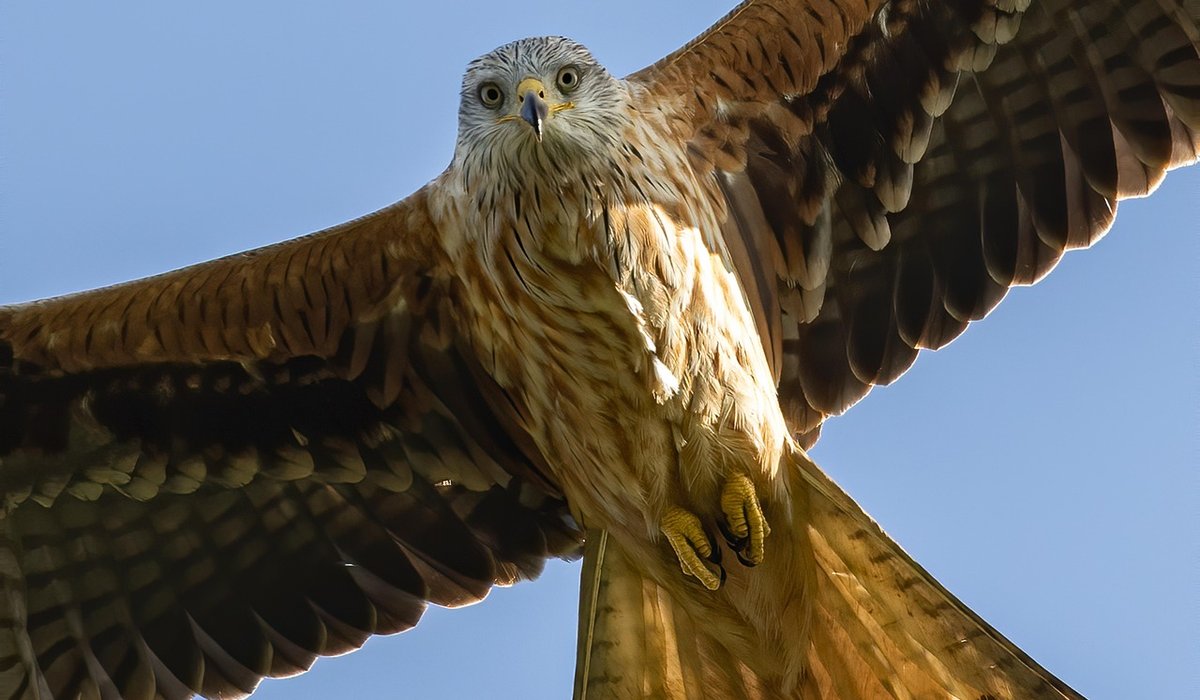
Spring Starts Long Before the Clocks Change
In Oxfordshire, spring is a gradual business, and the earliest signs arrive while the hedges still look bare. By mid-February, a chiffchaff may already be singing its two-note name from a willow beside the Cherwell, and great spotted woodpeckers are drumming on dead branches in almost every sizeable wood. Song thrushes sing from hedge tops at first light, hazel catkins dangle over ditches, and snowdrops push through the leaf litter in churchyards and old gardens.
These early weeks are the quietest and most rewarding time to be out. Paths are empty, the undergrowth is thin enough to see through, and birds are busy establishing territories rather than hiding. Wrap up properly and be outside by seven in the morning: you will often have a whole nature reserve to yourself.
The Dawn Chorus: Woodland and Hedgerow
By late March and through April the dawn chorus reaches its peak. Arrive before sunrise and stand still — the singing starts with robins and blackbirds, then builds as wrens, song thrushes and great tits join in, followed by the summer visitors. Learning the order is one of the simplest ways to sharpen your identification skills. Song thrush repeats each phrase two or three times; blackcap delivers a rich, hurried warble; garden warbler is smoother and less distinct; willow warbler trails away in a delicate descending flourish.
Oxfordshire's ancient woods — the old oaks and ash of the Chilterns fringe, the beech hangers above the Vale, the damp woods along the Evenlode — are at their finest now. Look down as well as up: wood anemone flowers first on old woodland banks, followed by bluebells, wild garlic and, on the chalk, early purple orchids. On warm afternoons, brimstone and orange-tip butterflies patrol the rides, and queen bumblebees search for nest sites in tussocky grass.
Wetlands, Flood Meadows and Gravel Pits
The county's wetlands are the place to be in March. Flooded meadows along the Thames and Cherwell, the wet grasslands of Otmoor, the gravel pit complexes and the larger reservoirs all hold birds on the move. Lapwings tumble over damp fields with their peculiar, creaking display flight, redshank and curlew call across the grass, and snipe drum high overhead with their tails. On open water, look for lingering teal and wigeon alongside displaying shoveler, gadwall and, if you are lucky, a drake garganey — the only duck that arrives here specifically to breed.
Passage waders turn up on gravel edges and reservoir shorelines: little ringed plover, common sandpiper, oystercatcher, dunlin and ringed plover, sometimes in the same morning. Scan the margins quietly — grey herons and little egrets stalk the shallows, and water voles occasionally slip along the bank. Keep your distance and stay on marked paths, as these birds are easily flushed at a time when they need to feed.
Returning Migrants: Swallows, Martins and Warblers
The first sand martins usually appear in late March, followed closely by swallows and then house martins in April. A north-easterly wind will hold them back for days at a time, so a spell of mild south-westerlies is worth planning around. By mid-April the hedges have turned over almost completely: chiffchaff, blackcap, whitethroat, lesser whitethroat and willow warbler all singing at once, with sedge and reed warblers in the reedbeds.
Late April brings the cuckoo back to the county's wet meadows, and grasshopper warblers reeling from scrubby field edges at dusk. May adds the last arrivals: swifts screaming over town rooftops, and hobbies hawking insects and dragonflies above the floodplain. Turtle doves, sadly, are now a genuine prize — a handful of pairs cling on in the north of the county.
Ponds, Frogspawn and Newts
Amphibians get going remarkably early. Common frogs spawn first, often in late February, laying clumps of jelly in the shallows of garden ponds, farm ponds and the old dew ponds on the downs. Toads follow a few weeks later, and their spawn is unmistakable: long strings wound around water plants rather than clumps. At dusk, listen for the soft purring of male common toads and watch for smooth and palmate newts gliding through the weed; great crested newts are present in many Oxfordshire ponds but strictly protected, so observe from the bank only.
Leave spawn and tadpoles where they are. Moving them between ponds spreads disease and can destroy the very populations you are trying to help. A shallow, fish-free pond with plenty of marginal plants will colonise itself within a year or two.
Making the Most of an Early Spring Morning
- Go early. The first two hours after sunrise are far more productive than the rest of the day put together.
- Dress for winter. Frosts and cold winds persist into May, and standing still for an hour is much colder than walking.
- Check the wind. South-westerlies bring migrants in; a stiff north-easterly shuts the whole thing down. Plan around the forecast.
- Walk the same patch weekly. Familiarity is the best identification tool you will ever have — you will notice the day the first swallow arrives.
- Give wildlife room. Keep dogs on leads near wetlands and nesting scrub, stay on paths, and use binoculars rather than approaching.
- Take a notebook. Recording dates and locations builds a personal picture of the season, and local recorders genuinely value the sightings.
Spring in Oxfordshire rewards patience above all else. Pick a familiar footpath, a village pond or a stretch of flood meadow, visit it at the same hour each week, and the season will unfold in front of you — blackthorn blossom first, then frogspawn, then the returning swallows overhead.


Leave a reply