


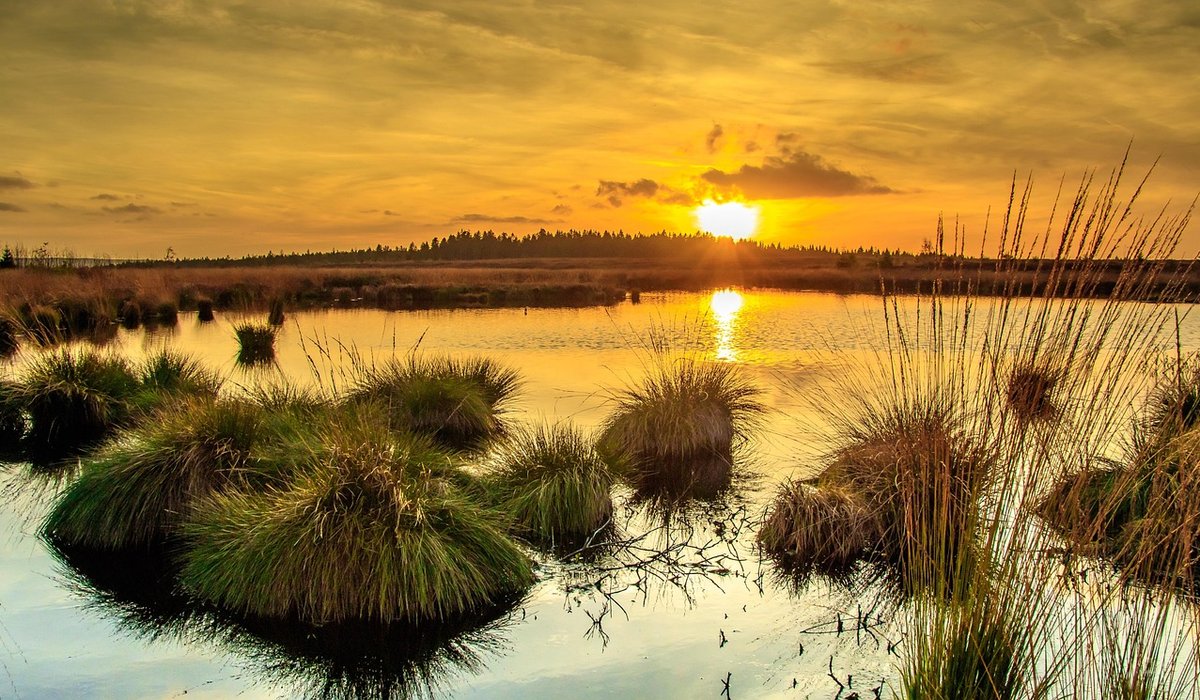
A River Full of Hidden Life
The River Thames through Oxfordshire can look like a quiet, silver ribbon, but its banks are busy thoroughfares. Among the willows, reeds and tussocky grass, one of Britain’s fastest-declining mammals goes about its business: the water vole. Seeing one is never guaranteed, but the signs are often there if you know what to look for. A stretch of slow-moving water, a soft earth bank and a little patience can turn an ordinary walk into a genuine wildlife encounter.
Reading the Signs: Nibbled Grass and Burrows
Water voles are creatures of habit, and they leave a surprising amount of evidence. The most reliable clue is a feeding station: a small pile of chopped grass stems, each cut at a distinctive 45-degree angle. The stems look trimmed with tiny secateurs, not torn like those nibbled by deer or rabbits. Look for these clippings on flat stones or tussocks at the water’s edge.
Then check the bank itself. Burrows are usually 5–8 cm across, often with a fan of loose soil below the entrance. They may sit just above the waterline or below it, and a single bank can hold a whole network. Latrines are another giveaway: small deposits of droppings, pale green to brown, with blunt or T-shaped ends, often placed on a prominent stone or tussock. Look for runs — narrow, flattened tunnels through the vegetation, about a vole’s body width.
- Grass stems cut at 45 degrees, like tiny secateurs.
- Round burrow entrances, 5–8 cm wide, in soft banks.
- Latrines on flat stones or tussocks, with blunt-ended droppings.
- Flattened runs through reeds, sedges and willowherb.
Where to Look Along the Thames in Oxfordshire
Not every stretch of the Thames suits water voles. They favour slow-moving water, backwaters, ditches and side channels where banks are soft enough to dig and vegetation is tall enough to hide in. In Oxfordshire, the quieter reaches around Port Meadow and Osney can be productive, as can stretches near Iffley, Sandford, Radley, Dorchester, Wallingford, Goring and Henley. The River Cherwell and the Oxford Canal also hold suitable habitat.
Early morning and late afternoon are best. Water voles are active during the day but tend to be shyer in bright, hot weather. Choose a still day; wind creates ripples that make spotting a swimming vole harder. Look for banks with a mix of soft earth, reeds, sedges and willowherb, and avoid heavily dredged or engineered sections.
How to Watch Without Disturbing
Water voles have poor eyesight but excellent hearing and a keen sense of smell. Approach the bank slowly and quietly, and stay on the path. Keep dogs close or leave them at home, as a single splash can send every vole in the area underground. 8x42 binoculars are ideal, but you can often watch with the naked eye if you sit still.
Scan the water for a V-shaped ripple or a small, dark shape moving steadily. A swimming water vole shows a rounded head, a blunt nose, small ears and chestnut-brown fur. A brown rat has a pointed nose, greyer fur and a longer tail. If a vole feels threatened, it may dive with a soft plop, so listen as well as look. Once you find a likely spot, settle down and wait five to ten minutes. Voles often reappear within a few minutes.
A Year in the Life of a Water Vole
Water voles breed between March and October, producing two to five litters of three or four young. Their lives are short: few survive beyond two years. They are almost entirely vegetarian, feeding on grasses, sedges, reeds, willowherb and roots. This diet keeps them close to lush bankside growth.
Predators include herons, pike, otters, barn owls and kestrels. The greatest threat is non-native American mink, which can hunt voles in their burrows, alongside habitat loss, dredging and hard bank reinforcement. Conservation efforts focus on protecting soft banks, restoring ditches and controlling mink. The simplest contribution is to record what you see: date, location and signs. Pass details to your local biological records centre or county recorder.
Patience, Then a Glimpse
The best water vole encounters are quiet ones. Find a spot on a slow bend, sit low and still, and let the river settle. Listen for the soft munching of grass, the rustle of reeds, or the gentle plop of a diving vole. You may see nothing — that is part of the pleasure. The signs alone tell a story of hidden lives along the Thames.
If you watch a water vole swim, keep your distance and enjoy it. Do not feed it, do not approach the bank, and leave the vegetation as you found it. These vulnerable mammals need quiet, respectful encounters to remain part of Oxfordshire’s rivers.


Leave a reply