


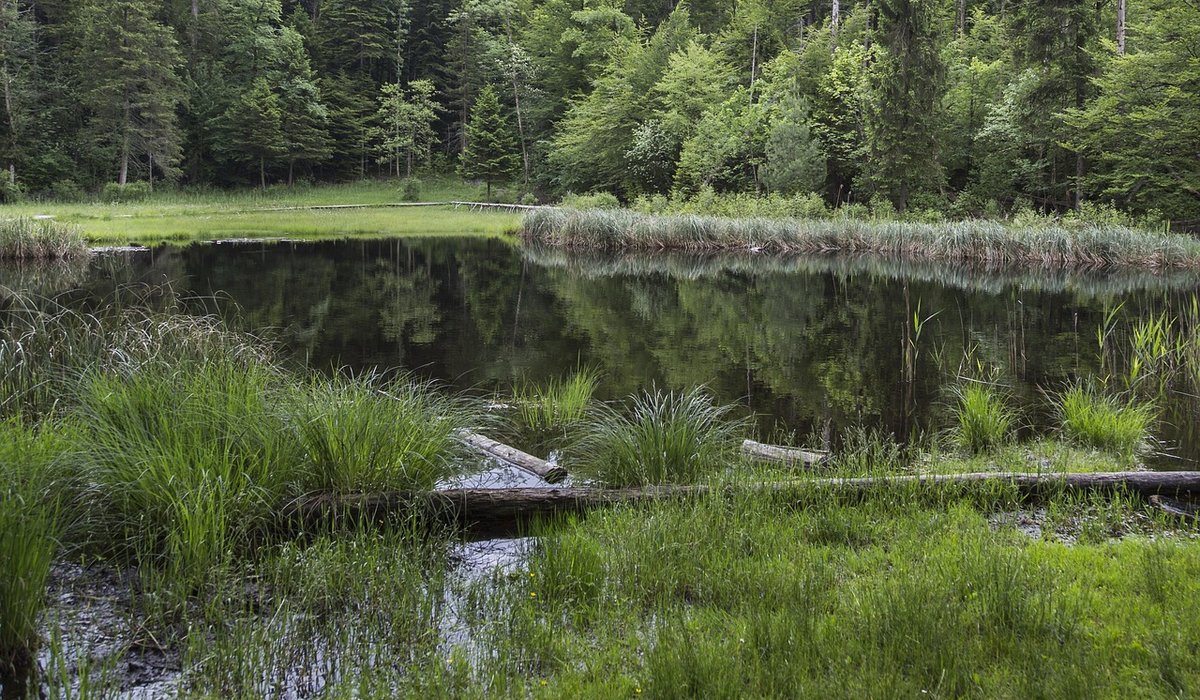
A Wetland Reborn
Otmoor has always been a place apart. Lying flat and low to the north-east of Oxford, between the villages of Beckley, Oddington and Murcott, it was for centuries a great winter marsh that flooded each year and dried into hay meadow by summer. Then came the drains, and then the plough. Since the late 1990s a long, patient programme of restoration has been reversing that history, turning arable fields back into wet grassland, reedbed and shallow open water.
The result is one of the finest birdwatching sites in Oxfordshire, and one of the friendliest. The ground is level, the hides are within easy reach of the car park, and the wildlife has a happy habit of turning up whether you are a seasoned patch-worker with a telescope or a family out for a Sunday wander.
The Paths and How to Walk Them
Parking is off Otmoor Lane near Beckley, signposted from the B4027. From the car park a level track strikes out across the reserve along the line of an old Roman road, a raised causeway that once carried traffic over the moor. That embankment is your friend: it stays firm and dry when the fields on either side are under water.
The full circuit is roughly three miles and takes two to three hours at proper birdwatching pace — which is to say, stopping every few minutes. There is one gate, a handful of benches, and no hills worth the name. If time is short, you can turn back at any point without missing much.
- Short option: car park to the first viewing screen and back, about twenty minutes.
- Half circuit: out to the main hide and return the way you came, roughly an hour.
- Full circuit: continue past the hide and loop back through the fields, around three miles.
Surfaces are grass and compacted earth. From October through to March the clay holds water stubbornly, so wellingtons or sturdy boots are not optional. In a wet winter the lower sections genuinely flood; check locally before setting out after heavy rain, and be prepared to retrace your steps rather than wade.
The Hides and Screens
The reserve is well served by hides and screens, spaced so that you are never walking far between somewhere to sit and somewhere to look. The first screen, close to the entrance, overlooks a small pool fringed with willow and reed — a good spot for a quick look before you commit to the walk, and surprisingly productive for water rail and the occasional kingfisher.
The main hide is the centrepiece. It faces a shallow scrape edged with reedbed and islands of bare mud, with sluices keeping the water at the level the waders prefer. The windows open, the benches are wide, and there is space for a scope and a flask. Early morning is best for light, since you are looking roughly east, but late afternoon brings the harriers drifting in to roost and is arguably the more dramatic shift.
A little etiquette goes a long way. Keep voices low, open the windows gently rather than wrenching them, and resist tapping the glass to stir a sleeping duck into view. Arrive quietly, settle, and wait — Otmoor rewards patience far more than it rewards hurry.
Through the Seasons
Winter is when Otmoor earns its reputation. Bitterns skulk in the reedbed, more often heard than seen, and from late January the males begin their extraordinary booming call — a sound like someone blowing across a milk bottle, carrying right across the moor. Marsh harriers quarter the reeds by day; hen harriers and short-eared owls come in to roost at dusk. Lapwing and golden plover gather in flocks that shift across the sky like smoke, and the wet fields fill with teal, wigeon, shoveler and gadwall.
Spring brings display. Lapwings tumble over the grassland, redshank and curlew call, snipe drum overhead, and a scattering of garganey drop in on passage. Cuckoos arrive, sedge and reed warblers start up from the margins, and the strangest sound of all — the reeling of a grasshopper warbler — comes from scrubby corners. Hobbies appear in May to hunt dragonflies.
Summer is quieter for birds but superb for insects: dragonflies and damselflies patrolling every dyke, butterflies on the flower-rich edges, and young lapwings and redshank fledging on the wet grassland. Autumn swings the door back the other way, with passage waders on the scrape, swallows and martins streaming south, and the first wildfowl returning as the water levels rise.
Practical Pointers
- Bring binoculars. A scope is a real bonus at the main hide, but plenty is visible with a decent pair of 8x42s.
- Wear the right boots. Waterproof, ideally wellingtons, from autumn to spring.
- Time it well. The first two hours after dawn are the most productive; the last hour before dusk is best for harriers and owls.
- Pick your weather. A fresh westerly after rain often grounds migrants and pushes birds onto the scrape.
- Pack for midges. Summer evenings in the reedbed are spectacular and itchy in equal measure — repellent is not a luxury.
- Note the rules. Dogs are not permitted on the reserve, and there are no toilets, café or shop, so make use of the nearby villages before you arrive.
- Stay on the paths. The wet grassland is nesting habitat for lapwing and curlew, and a stray boot can undo a season's work.
Otmoor is not a reserve that demands fitness, expensive kit or expert knowledge. It asks only that you walk slowly, dress for mud, and give it an hour longer than you planned. Do that, and the place will show you something worth the journey.


Leave a reply